

Maintaining fire safety equipment on industrial sites is critical for preventing disasters. A well-managed fire safety equipment maintenance program ensures that alarms, sprinklers, extinguishers, and other devices work reliably when needed, helping to protect lives and property. In fact, regular fire safety equipment maintenance extends equipment lifespan and compliance: NFPA Codes 72 and 25 mandate scheduled inspections and tests for alarms, sprinklers, extinguishers, emergency lights, and more.
OSHA likewise requires that “the employer shall properly maintain an automatic sprinkler system” and other fire protection systems. Neglecting fire safety equipment maintenance risks false alarms, legal fines, or system failure in an emergency. On industrial premises—where fire hazards can be severe—it’s essential to follow a structured fire safety equipment maintenance plan. Below, we outline key maintenance tips and checklists for every major fire safety device.
Key Takeaways:
- Establish a regular fire safety equipment maintenance schedule for all fire protection systems.
- Inspect and test alarms, sprinklers, extinguishers, hoses, and lighting frequently.
- Use certified professionals to perform detailed inspections and repairs.
- Keep detailed logs of all maintenance to meet NFPA/OSHA requirements.
- Follow a Fire Extinguisher Maintenance Checklist each month and year.
Why Regular Fire Safety Equipment Maintenance Matters
Routine fire safety equipment maintenance ensures reliability and compliance. Well-maintained equipment functions correctly during an emergency, saving lives and property. For example, NFPA codes require annual inspections and tests of fire alarms, sprinkler systems, emergency lights, extinguishers, exit signs, and detectors. These tests cover visual checks for damage, verifying water-flow pressure in sprinklers, testing smoke detectors and alarms, checking batteries and bulbs, and even replacing filter cartridges on extinguishers. Having a certified fire technician perform these tasks is crucial: they know local codes and can identify hidden issues without creating new hazards.
Failing to maintain equipment can lead to false alarms, unexpected failures, or violations. In practice, fire safety equipment maintenance might include cleaning dust from detectors, lubricating valve parts, and confirming all devices operate per the manufacturer’s guidelines. Simply put, a proactive fire safety equipment maintenance plan minimizes downtime and repair costs while maximizing safety. As one fire safety expert notes, routine upkeep “can extend the lifespan of equipment” and “reduce costly damages” from undetected problems.
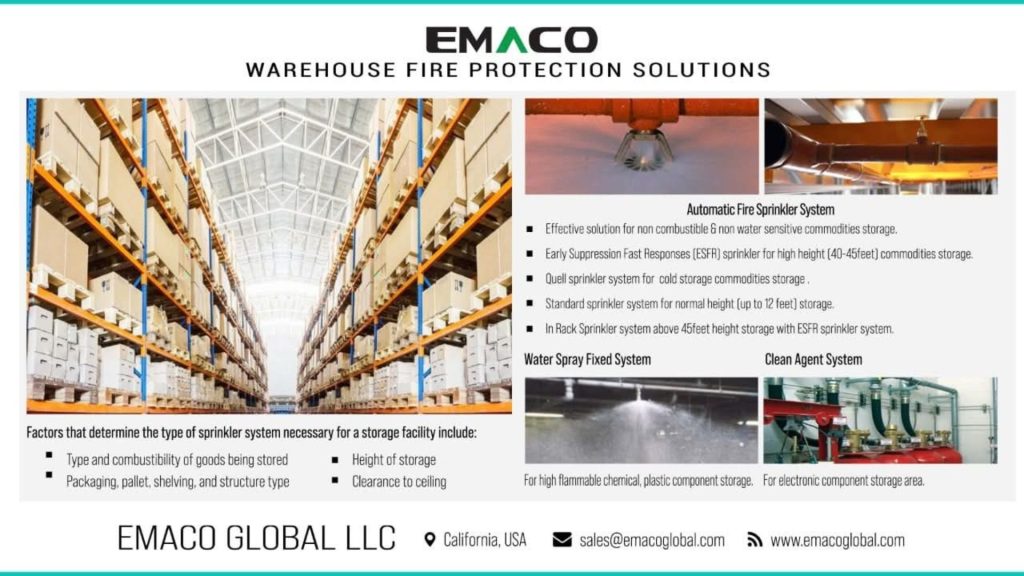
Industrial Fire Safety Tips: Beyond Equipment Checks
Keeping an industrial facility fire-safe goes beyond checking hardware. Here are some general fire safety tips that complement equipment maintenance:
- Comprehensive Risk Assessment: Identify flammable materials and ignition sources (chemicals, welders, hot surfaces). As operations change, update risk evaluations to cover new hazards.
- Proper Fire Detection: Install smoke detectors, heat detectors, and fire alarms throughout the property, especially in high-risk areas like storage and electrical rooms. Then test and maintain these alarms regularly as part of your fire safety equipment maintenance plan.
- Strategic Extinguisher Placement: Ensure sufficient fire extinguishers (Classes A, B, C, D, K) are “easily accessible and well-maintained”. Train employees on types and locations of extinguishers, and keep them unobstructed.
- Emergency Planning: Maintain clear evacuation routes and exit signage. Post emergency contact info and practice drills frequently so workers know what to do if an alarm sounds.
- Training & Housekeeping: Regularly train staff on fire prevention and equipment use. Good housekeeping is critical: keep work areas orderly, store combustibles safely, and maintain clearances (at least 18 inches) around sprinkler heads and exit paths.
- Electrical Safety: Industrial fires often start with faulty wiring. Inspect electrical panels and cables routinely and repair any damage immediately.
By combining these practices with a strict fire safety equipment maintenance regimen, industrial sites can dramatically lower the risk of fires and mitigate damage should one occur.
Fire Alarm System Testing and Maintenance
A functioning fire alarm system is a lifeline. Follow these testing guidelines as part of your fire safety equipment maintenance routine:
- Monthly Visual Inspections: Check control panels and detectors for any obvious issues. Verify indicator lights/batteries are OK.
- Quarterly Functional Tests: Activate test modes to ensure horns and strobes alert properly. Test smoke and heat detectors by following the manufacturer’s procedures.
- Annual Full Inspection: Hire a licensed fire alarm technician to perform a thorough check per NFPA 72. This includes testing backup batteries, communication links, and system integrity.
- Document Everything: Keep logs of all tests and repairs. NFPA 72 requires records of tests for at least one year (often longer for compliance audits).
Why follow this schedule? NFPA 72 recommends weekly, monthly, quarterly, and annual checks on various components. Maintaining logs is just as important: if an incident occurs, records prove compliance and pinpoint any lapses. Consider a wired-and-wireless alarm monitoring system to get instant alerts on system faults or power issues, further enhancing reliability and improving fire safety equipment maintenance outcomes.
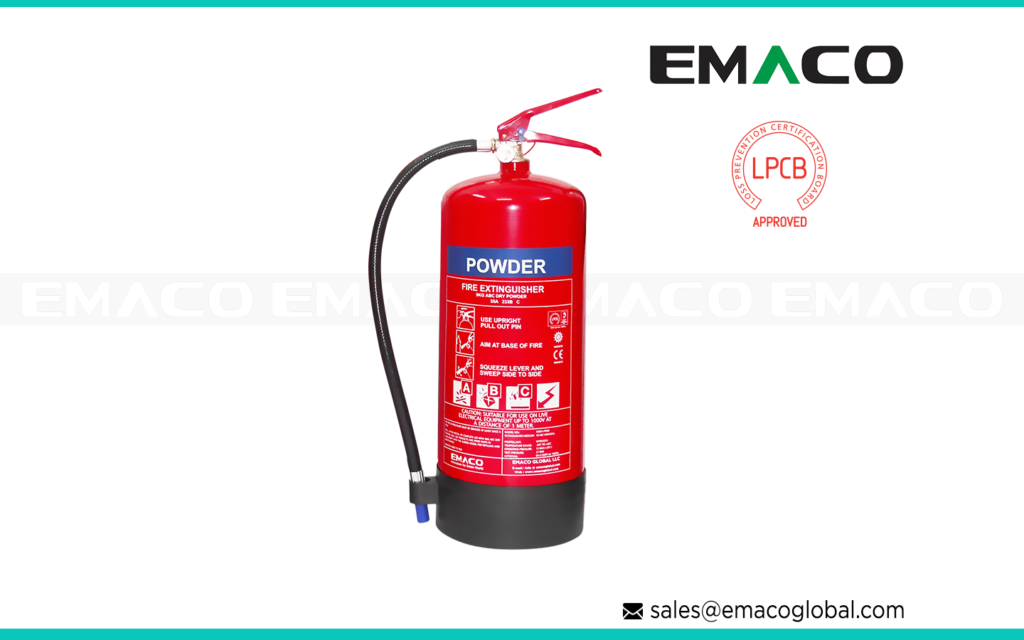
Fire Extinguisher Maintenance Checklist
Fire extinguishers save lives only if they are ready to use. Include these steps in your fire safety equipment maintenance checklist:
- Monthly (Visual) Checks:
- Confirm each extinguisher is in its designated spot and unobstructed.
- Check that the safety pin and tamper seal are intact and visible.
- Verify the pressure gauge needle is in the green “operable” range.
- Ensure the body is free from dents, rust, or leaks.
- Look for legible operating instructions on the label.
- Annual (Professional) Maintenance:
- Have a certified technician inspect each extinguisher according to NFPA 10. They will open it to check internal parts, verify weight, and replace obsolete components.
- Recharge or replace extinguishers used or partially discharged. Even a small discharge can leave the unit under-pressurized.
- Inspect the hose or nozzle for blockages and ensure mounting brackets are secure.
- Hydrostatic Testing: Depending on the type (usually every 5–12 years), remove extinguishers from service for hydrostatic pressure testing. This checks the integrity of the cylinder, as required by NFPA standards.
Reminder: NFPA 10 mandates monthly visual inspections and annual maintenance of all portable extinguishers. A complete fire safety equipment maintenance checklist ensures every extinguisher remains fully operational and compliant.
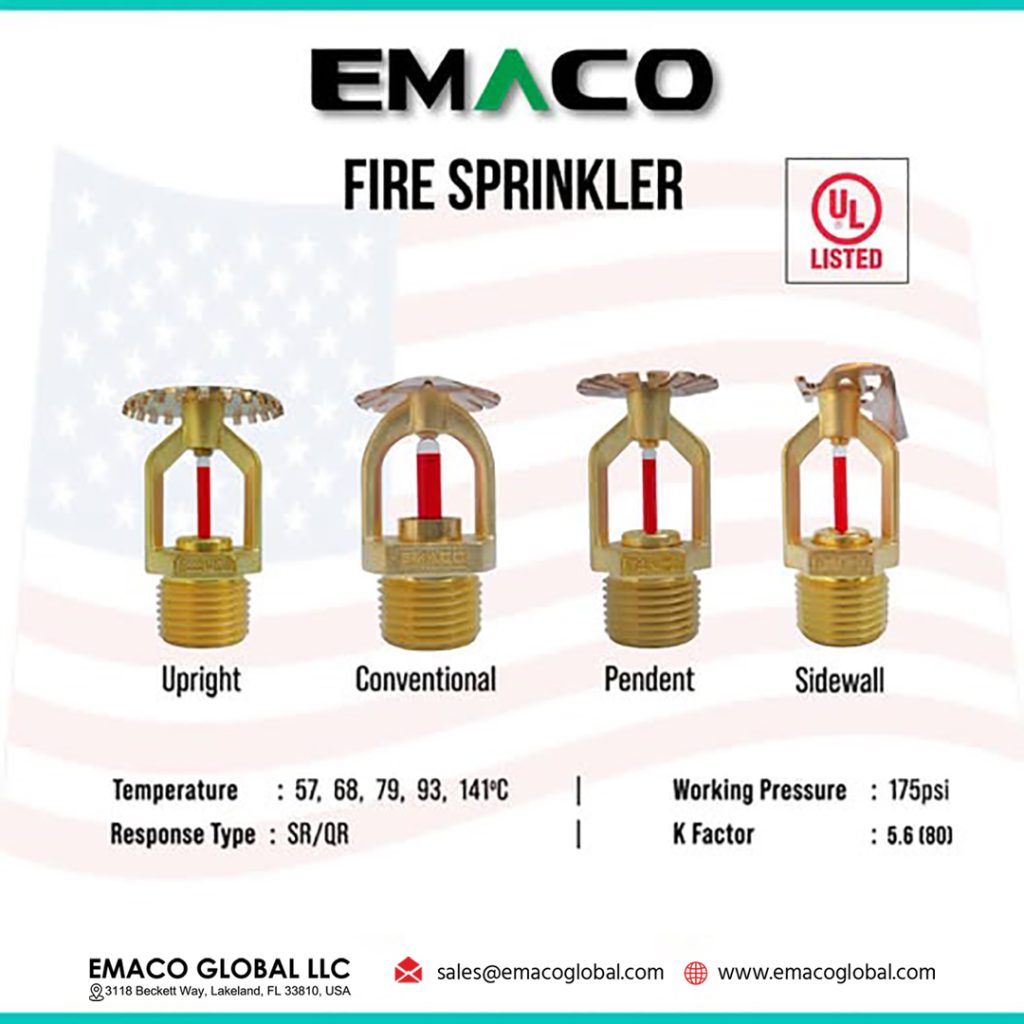
Sprinkler System Maintenance
Automatic sprinklers often contain fires before they spread, so keeping them functional is essential to your fire safety equipment maintenance plan:
- Inspect Sprinkler Heads: Ensure each head is free of paint, dust, or obstructions. Clean or replace corroded heads. Maintain at least an 18″ clear space below sprinkler heads to avoid blockage.
- Check Water Pressure: Regularly monitor the system’s water pressure gauge to ensure it stays within normal range. Sudden drops or spikes may indicate leaks or blockages.
- Exercise Control Valves: Open and close main control valves quarterly to prevent seizing. Verify valves are fully open and securely locked.
- Annual Main Drain Test: Per OSHA standard 1910.159 and NFPA 25, conduct a flow test on the sprinkler system’s main drain at least once a year. This ensures the water supply can handle the required flow. Keep a licensed sprinkler contractor or fire department on standby (sprinklers will discharge water during the test).
- Alarm Devices: If your sprinkler system has a waterflow alarm or tamper switches, test these signals annually. They must alert staff or monitoring centers when water flows in the system.
- Leak Checks: Routinely check for any leaks in pipes or fittings. Even small drips near sprinklers can indicate corrosion or joint failures.
- Hydraulic Calculations: If any renovation or extension occurs, re-evaluate sprinkler hydraulics to ensure adequate coverage as required by NFPA codes.
Following NFPA 25 and OSHA 1910.159 guidelines ensures every sprinkler system inspection supports consistent fire safety equipment maintenance performance across your facility.
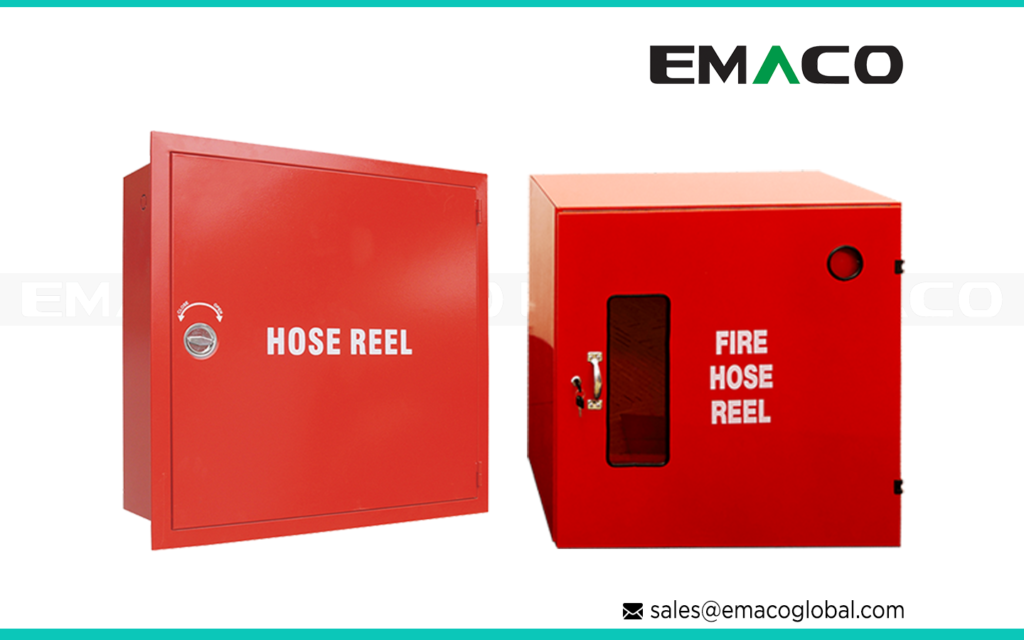
Fire Hydrant and Hose Maintenance
Industrial facilities often have standpipes, hydrants, and hose reels. Keep them ready with these fire safety equipment maintenance tips:
- Annual Flow Test: Ensure each standpipe and hydrant can supply adequate water. Perform an annual flow test (sometimes with the local fire department) and record pressures.
- Inspect Hose and Nozzles: Check all fire hoses for cracks or weak spots. Dry each hose to prevent mold. Lubricate valve threads and ensure nozzles open/close smoothly.
- Cabinet and Valve Check: Confirm cabinet doors open easily and seals are intact. Inspect wedge valves and pressure reducers (if installed) to ensure they are unobstructed and corrosion-free.
- Ice Prevention: In colder climates, protect outdoor hydrants from freezing (insulated valves or heat tracing).
- Clear Obstructions: Keep hydrants and hose racks clear of debris or stored items. Mark them clearly with signage or reflective tape in dimly lit areas.
- Record Inspections: Tag each fire department connection and hose reel with inspection dates. Any deficiency (e.g., a missing cap) should be fixed immediately.
By following a schedule and documenting inspections, industrial sites meet life-safety requirements and avoid surprises. If your facility uses EMACO fire hydrants or hoses, remember that the manufacturer’s guidelines may specify extra steps, so check their datasheets for any special maintenance notes.

Other Critical Equipment Checks
In addition to alarms, sprinklers, and hoses, extend fire safety equipment maintenance to:
- Emergency Lighting & Exit Signs: Test monthly. Verify that battery backups power lights during outages. Replace any burned-out bulbs and ensure exit signs remain illuminated and visible.
- Fire Suppression Systems: For kitchen hood systems or clean agent systems (e.g., FM‑200/HFC‑227ea), inspect agent levels monthly and test discharge mechanisms yearly. Check that nozzles and detectors in the hood are clean and unobstructed.
- Fire Doors and Compartments: Inspect fire doors quarterly to ensure they close fully and seals are intact. (NFPA 80 requires certified technicians for annual testing of doors.) Remove any wedges or props that prevent doors from self-closing.
- Battery-Operated Devices: Change batteries in smoke/CO detectors and handheld radios annually, or per manufacturer. Test carbon monoxide alarms monthly by pressing the test button.
- Personal Protective Gear: Ensure fire extinguishers and breathing apparatus (if applicable) are stored properly. Check that gas cylinders for breathing air are within their hydrostatic test dates.
Regularly review your facility’s fire safety plan to include checks of all devices. Any new equipment added (e.g., additional exit lights) should be included in the maintenance routine.
Documentation, Training, and Compliance
Record-keeping is as important as physical checks. Maintain logs for every inspection, test, and repair. Logs prove compliance and readiness.
Also, train your staff. Even the best fire safety equipment maintenance is useless if no one knows how to use the tools. Conduct fire drills, review extinguisher use, and keep maintenance staff contact details handy.
Finally, ensure your facility aligns with NFPA, OSHA, and insurance requirements. By implementing consistent fire safety equipment maintenance standards, you protect both people and property while avoiding penalties and downtime.
Fire safety equipment maintenance is non-negotiable on industrial premises. By following the tips above—performing monthly visual checks, scheduling professional inspections, and keeping detailed records—you ensure systems work flawlessly in an emergency. Remember that reliable protection is a combination of good equipment and good care.
👉 Ready to safeguard your facility? Contact EMACO Global today to learn about our fire protection solutions and maintenance programs. Explore our range of industrial fire safety products on the EMACO website, and check out our News & Events for more safety insights. Keep your team safe—get expert help to implement a thorough fire safety maintenance plan now.
FAQs
Q1: How often should I inspect fire extinguishers on an industrial site?
A: NFPA 10 requires a visual inspection monthly. This means checking the location, pressure gauge, seals, and overall condition each month. In addition, every extinguisher needs professional maintenance (thorough check and possible recharge) annually.
Q2: What items are on a fire extinguisher maintenance checklist?
A: A good monthly checklist includes verifying that the extinguisher is in place and unobstructed, the safety pin is intact, the pressure gauge is in the green zone, and the body shows no damage. Annual tasks (by a certified technician) include testing or replacing expended extinguishers, checking the weight, and inspecting internal parts.
Q3: How often should fire alarms be tested in an industrial facility?
A: NFPA 72 suggests inspecting fire alarm systems weekly (visual checks) and performing full functional tests at least annually. Many sites do quarterly or semiannual checks for added safety. Always follow manufacturer and local code requirements.
Q4: What is involved in sprinkler system maintenance?
A: Sprinkler maintenance involves monthly or quarterly visual inspections of heads, valves, and pipes, plus an annual flow (drain) test per NFPA 25/OSHA. The drain test ensures adequate water flow. Also, inspect that sprinklers aren’t painted or blocked, and keep the required clearance below heads.
Q5: Why is NFPA compliance important for maintenance?
A: NFPA standards (like 25, 72, and 10) are widely adopted by fire codes. They mandate maintenance schedules and procedures. Following NFPA guidelines (and keeping records) shows regulators that you’ve met legal requirements. It also ensures your systems work properly.
Q6: Who should perform fire safety equipment maintenance?
A: Only qualified professionals (licensed fire technicians) should conduct detailed maintenance. They have the expertise to test equipment correctly and comply with codes. Your in-house team can handle monthly visual checks and report issues, but call experts for annual tests, repairs, and certification.
Q7: What happens if fire equipment maintenance is neglected?
A: Neglect can cause false alarms, system failures, or slow response in a real fire. You also risk insurance penalties and code violations. For example, an unserviced extinguisher may not discharge fully, or a clogged sprinkler head won’t spray water, both potentially leading to disaster.
Q8: How should emergency lighting and exit signs be maintained?
A: Test emergency lights monthly by cutting power (to ensure batteries work) and replace any bad bulbs. Check exit sign illumination and cleanliness. NFPA 101 requires monthly checks and annual battery replacement. Document all tests to demonstrate compliance.
Q9: Are there specific requirements for fire hydrants on-site?
A: Yes. Industrial sites often have standpipe/hydrant systems to feed sprinklers or hoses. Typically, you should perform an annual flow test and pressure check. Inspect hydrant caps, handles, and gaskets. Repair leaks or damaged outlets immediately to ensure full water availability.
Q10: Can I use a digital log or software for maintenance records?
A: Absolutely. Specialized fire maintenance software or even simple spreadsheets help track each inspection and flag upcoming tasks. The key is to document what was checked, who did it, and any findings. Well-kept records simplify audits and help ensure nothing is overlooked.


