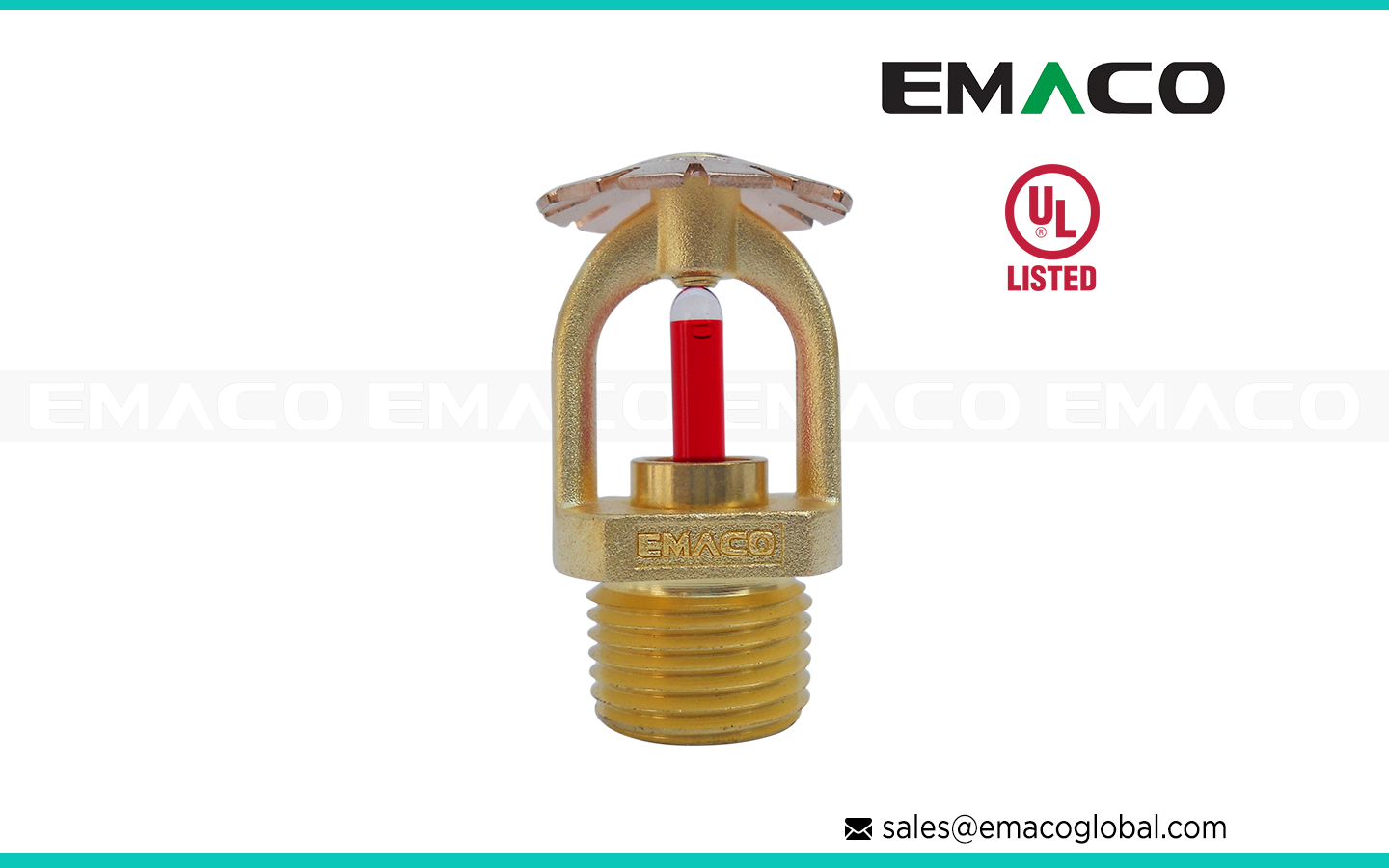
The KITCHEN Suppression System is an automatic wet chemical fire-protection solution designed for commercial and institutional kitchens. It detects high heat instantly, shuts off fuel sources, and discharges a specialized chemical agent that cools, smothers, and prevents re-ignition of grease and oil fires. Built for hoods, ducts, plenums, and cooking appliances, it ensures rapid fire control with minimal cleanup and maximum safety.
Best Features
Commercial kitchens operate in high-risk environments where flames, hot oils, grease vapors, and constant heat create the perfect conditions for fire. A small flare-up from a fryer or stovetop can escalate within seconds, threatening lives, damaging equipment, and shutting down operations. This is where a KITCHEN Suppression System becomes essential. It’s a specialized fire-protection solution engineered to detect, control, and extinguish kitchen fires automatically—before they spread beyond the cooking zone.
The system is widely used in restaurants, hotels, industrial kitchens, cloud kitchens, and institutional cooking facilities where fire risks are high and uninterrupted safety is critical.
What makes this system effective is its ability to detect heat quickly and deliver a highly targeted response. Here’s how the process unfolds inside a real kitchen scenario:
1. Heat Detection and Activation
The system uses fusible links placed strategically inside the kitchen hood and plenum. When the temperature reaches a critical point, these links melt and immediately trigger the suppression sequence. This automatic activation eliminates delays and ensures the fire is tackled at its source.
2. Gas and Electrical Shutoff
Right as the detection occurs, the system activates a mechanical shutdown of gas flow. This step prevents the fire from receiving additional fuel. Depending on the configuration, electrical appliances can also be automatically cut off, stopping heat production instantly.
3. Wet Chemical Discharge
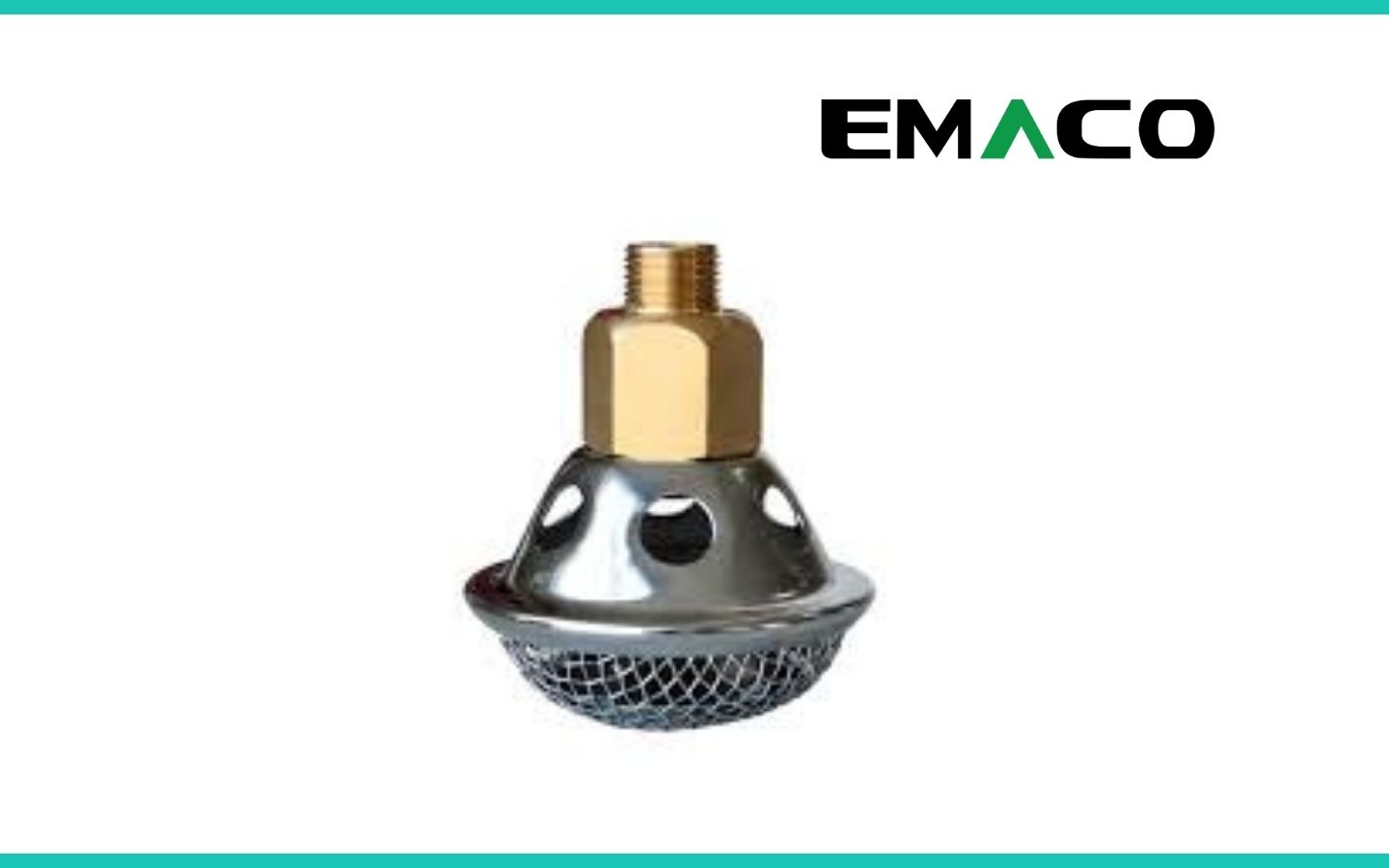
The core function of the KITCHEN Suppression System is its wet chemical agent. Once activated, the nozzles installed above appliances, hoods, plenums, and ducts discharge the agent directly onto the fire.
The chemical reacts with burning oils and fats, creating a cooling, foam-like layer that smothers flames and prevents re-ignition. This chemical reaction is the reason wet systems outperform water or dry powder in kitchen environments.
4. Fire Containment in Seconds
The rapid cooling and blanketing effect extinguish flames within moments, preventing the fire from spreading into the ventilation system or throughout the kitchen.
5. Manual Activation Option
While the system works automatically, a manual pull station is included. Staff can activate the system immediately if they notice danger before heat levels reach activation temperature.
| AGENT TYPE | APPLICATION SCOPE | AGENT CAPACITY | WORKING PRESSURE | TEST PRESSURE | CYLINDER MATERIAL | ACTIVATION TEMPERATURE |
| Wet Chemical | Kitchen | 2L / 6L / 9L / 12L | 15 bar | 27 bar | SS304 or ST12 | 140°C |
These specifications ensure strong performance under the demanding conditions of commercial cooking operations.
The system is designed to address the unique hazards found in professional kitchens. Its capabilities extend across multiple high-risk areas:
1. Restaurant, Commercial, and Institutional Kitchen Hoods
Kitchen hoods accumulate grease particles over time. Once ignited, flames can travel rapidly through the hood and into ductwork. The suppression system protects the entire hood area, stopping fires at their ignition point.
2. Plenums, Ductwork, and Filters
Ducts are one of the most dangerous fire paths. Grease buildup inside them can ignite instantly. The system’s nozzles cover these internal components to prevent the spread of fire upward or across the building structure.
3. Grease Removal Devices
Grease separators or filters often collect residues that act as fuel. By targeting these zones, the system ensures that even hidden or hard-to-reach grease pockets are protected.
4. Odor Control Devices
Some modern kitchens use ventilation accessories that trap odors. These devices can accumulate flammable deposits. The suppression system includes coverage for such units to prevent unexpected ignition.
5. Energy Recovery Units
Energy recovery devices located within ducts help reduce energy consumption but can become fire hazards if grease is present. The suppression system provides direct protection to keep these components safe.
Low Collateral Damage + Clean Recovery
One of the major strengths of the wet chemical system is its minimal cleanup. Unlike dry chemicals, which can contaminate entire kitchens, the wet agent is easy to remove and limits damage to only the affected area.
The KITCHEN Suppression System is suitable for:
This system is designed to keep your kitchen in compliance with fire safety standards while ensuring maximum operational reliability.
A fire in a commercial kitchen doesn’t just damage equipment — it can halt business operations, threaten staff, cause smoke damage, and put customers at risk. The KITCHEN Suppression System provides:
It’s an all-in-one safety net engineered for environments that cannot afford mistakes.
To understand the system’s reliability, it helps to know what’s inside:
Cylinder
Stores the wet chemical agent. Built using corrosion-resistant SS304 or ST12 steel.
Control Module
Coordinates detection, activation, and discharge functions.
Mechanical Gas Shutoff Valve
Stops fuel supply instantly once heat is detected.
Manual Pull Station
Allows staff to activate suppression immediately in emergencies.
Fusible Link Mechanism
Automatic activation when the link melts at 140°C.
Nozzles
Strategically placed to cover the hood, duct, plenum, and cooking appliances.
Thanks to its high-grade cylinder material and strong test pressure rating, the KITCHEN Suppression System performs consistently even after years of exposure to cooking heat, moisture, and grease. When serviced regularly, it offers long-term protection with minimal maintenance requirements.
Explore complete product specifications, compliance details, and installation information.
1. How often should the KITCHEN Suppression System be inspected or serviced?
A professional inspection is recommended every six months. This includes checking fusible links, verifying cylinder pressure, cleaning nozzles, ensuring the gas shutoff valve works properly, and confirming that the manual pull station responds correctly. Regular service ensures the system activates instantly when needed.
2. What happens after the system discharges? Can the kitchen reopen quickly?
After activation, the kitchen needs a basic cleanup. The wet chemical forms a foam-like layer over cooking equipment, which can be wiped off with warm water and detergent. Once the system is recharged, safety checks are complete, and appliances are cleaned, the kitchen can resume operations relatively quickly with minimal downtime.
3. Can the system handle multiple appliances and different cooking layouts?
Yes. The KITCHEN Suppression System is modular and fully customizable. It can protect multiple fryers, stoves, grills, ovens, and woks, along with hoods and ducts. The installer adjusts nozzle placement and agent capacity based on the specific kitchen layout.
4. Does the wet chemical damage equipment or corrode metal surfaces?
No. Wet chemical agents are formulated to be non-corrosive. They cool and smother the fire without damaging stainless steel appliances. After activation, the residue cleans easily and does not affect the long-term performance of equipment or surfaces.
5. Will the system activate if there is just steam or high humidity in the kitchen?
No. The system activates only when fusible links reach their rated melting temperature (140°C). Steam, humidity, or normal cooking heat will not trigger activation. Only direct, sustained high temperature from an actual fire causes the system to release the agent.
Protect your home, family, and business with industry-leading fire safety solutions—because seconds matter. From advanced smoke detectors to professional-grade extinguishers and smart alert systems, we’ve got you covered.


Please fill up the form