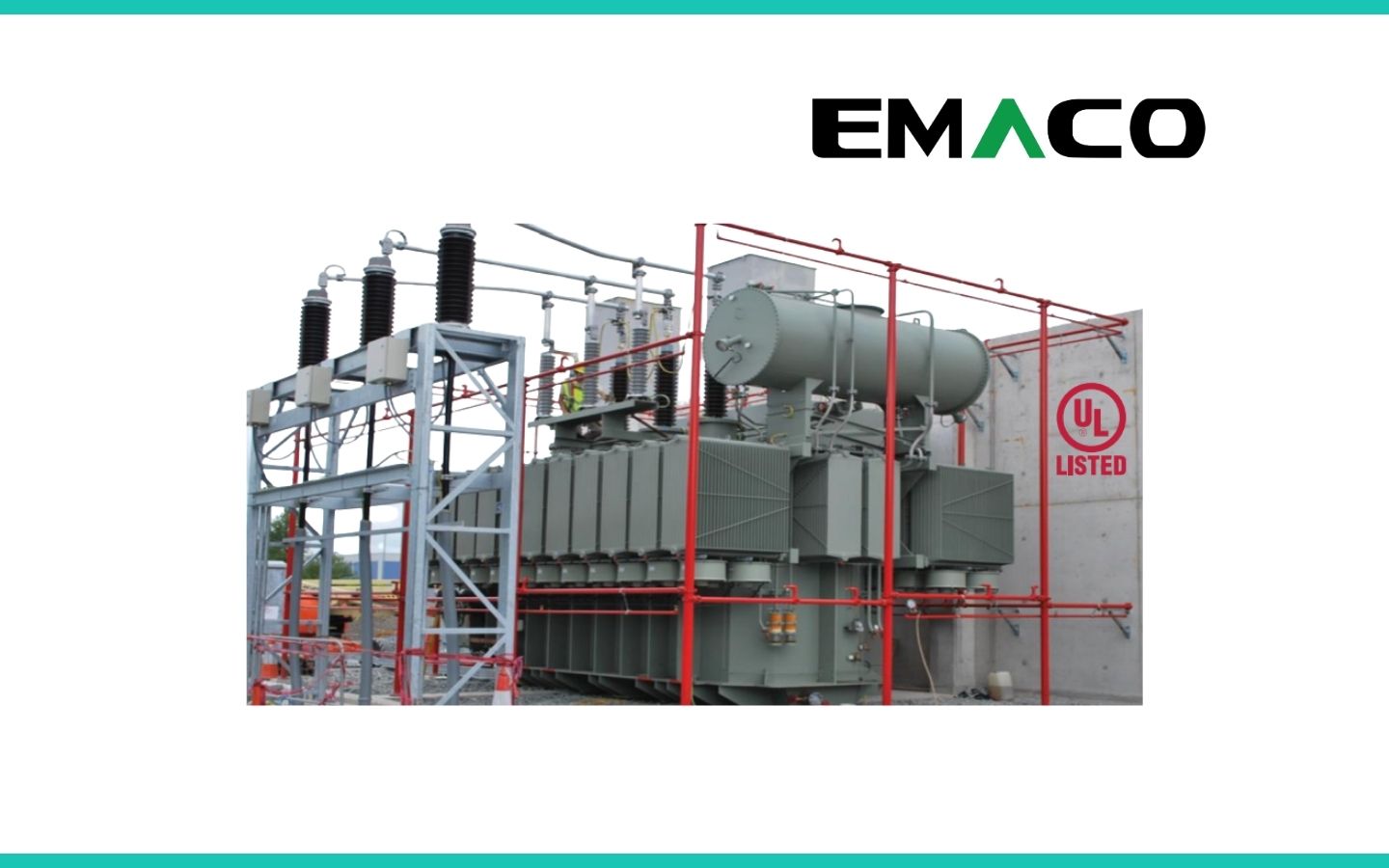
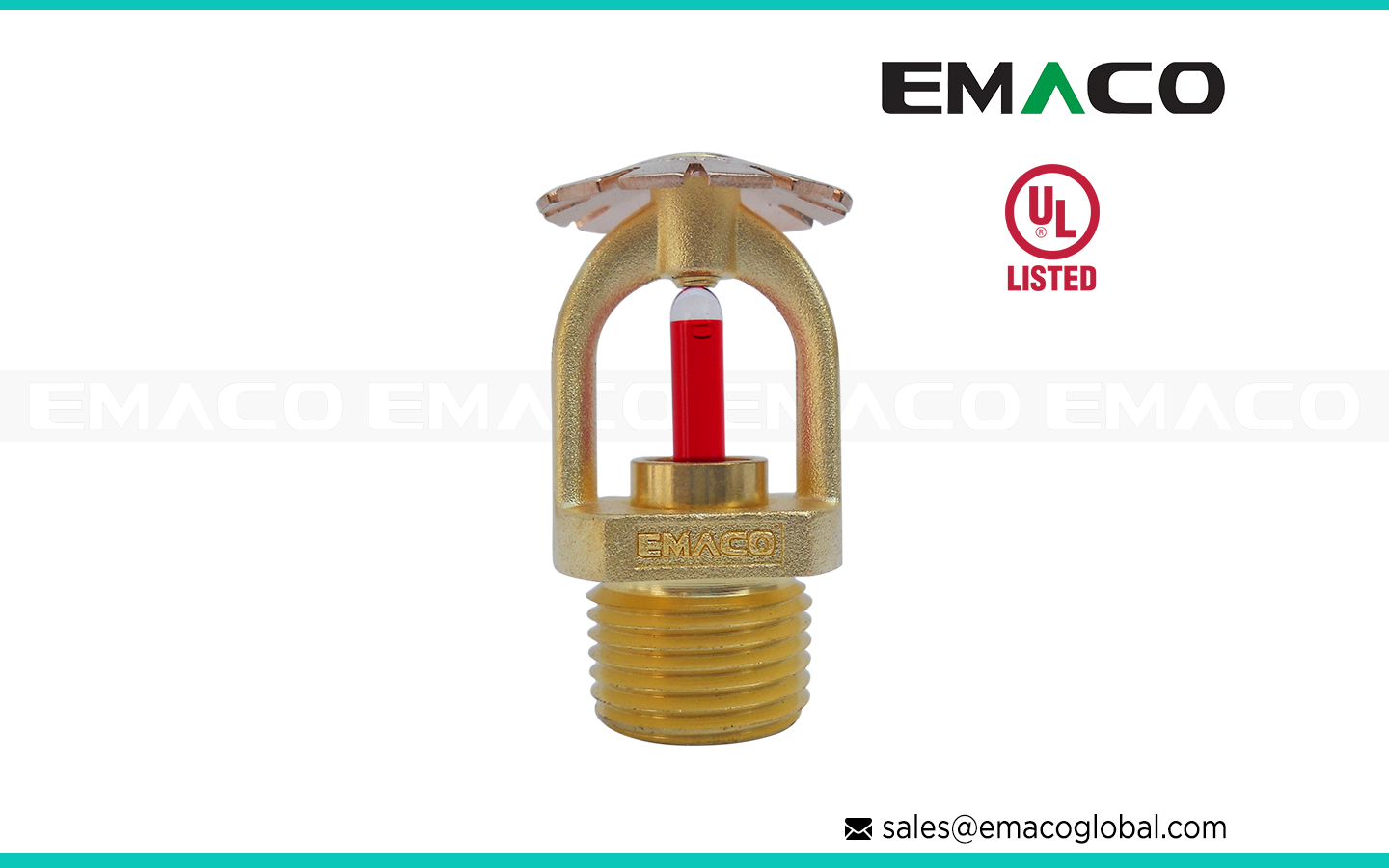
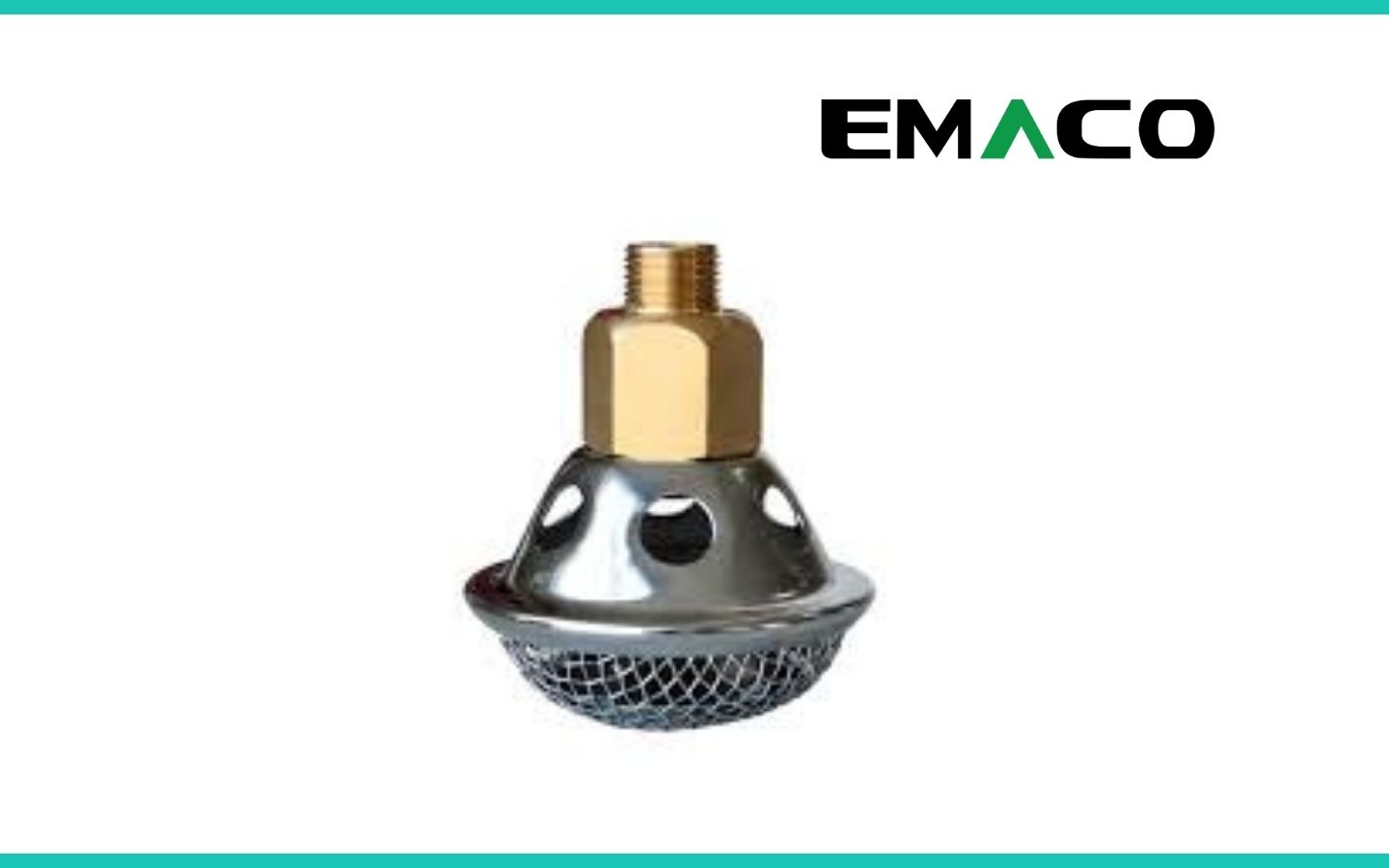
The Water Spray Fixed System is a dedicated fire protection system developed for facilities where fires can escalate quickly due to flammable liquids, high-temperature machinery, or critical electrical components. Unlike standard sprinkler systems, this configuration uses open nozzles connected to a pressurized water supply controlled by a deluge valve. Upon detector activation, the system immediately discharges water in a predetermined spray pattern across exposed surfaces.
Engineered for rapid response and high water discharge, the Water Spray Fixed System minimizes damage while providing superior cooling, surface coverage, and flame knockdown capabilities. Its components include deluge valves, UV/IR or quartz-type flame detectors, and high-velocity or medium-velocity spray nozzles tailored to match fire conditions.
Key Features:
Ideal for power plants, transformers, boiler rooms, refineries, conveyor belts, chemical plants, and any environment requiring immediate and controlled fire suppression.
The Water Spray Fixed System is a vital part of an industrial fire protection strategy, especially in locations where fires can grow rapidly and require immediate suppression. Unlike closed sprinkler heads, this system uses open spray nozzles that discharge water once the deluge valve is activated by detectors.
This makes it highly effective for cooling equipment surfaces, diluting flammable vapors, controlling radiant heat, and preventing fire spread. Industries with electrical transformers, rotating machinery, hydrocarbon hazards, or combustible dust rely on this system due to its speed and reliability.
Each Water Spray Fixed System is designed according to site-specific fire risks, nozzle selection criteria, hydraulic demand, and directional coverage patterns to ensure efficient and safe operation.
1. Fire Detection Initiation
UV/IR, beam, or quartz-type detectors sense flame, heat, or radiation and send a signal to activate the deluge valve. Manual actuation is also possible.
2. Deluge Valve Operation
Triggered by a detection signal, the deluge valve opens, allowing pressurized water to flood the piping network and discharge through all connected open nozzles.
3. Directional Water Discharge
High-velocity or medium-velocity nozzles release water in engineered spray patterns, targeting equipment surfaces and exposed hazards for rapid cooling and extinguishment.
4. High Water Discharge Rate
The system produces a larger volume of water compared to conventional sprinklers, allowing effective suppression of high-risk fires such as oil, gas, and electrical equipment fires.
5. Continuous System Control
As long as the valve remains open, water continues to flow, ensuring suppression and equipment cooling until the hazard is fully controlled.
Power Plants & Substations
Provides rapid cooling and suppression around transformers, generators, and switchgear to prevent fire escalation.
Oil & Gas Industries
Ideal for hazards involving flammable liquids, vapor clouds, storage tanks, manifolds, and pump areas.
Manufacturing & Processing Facilities
Protects high-temperature machines, compressors, turbine enclosures, and combustible material processing areas.
Boiler Rooms & Turbine Halls
Controls radiant heat and suppresses fires in areas with continuous thermal and mechanical stress.
Conveyor Belt Protection
Prevents ignition and fire spread along coal or material handling conveyor systems.
Warehouses & Combustible Storage
Provides exposure protection for materials such as wood, rubber, textiles, and chemicals.
Periodic Inspection
Check deluge valves, strainers, piping, and nozzles for physical damage, blockage, corrosion, or mechanical wear. Verify proper alignment and coverage of spray nozzles.
Detection System Testing
Conduct routine tests on UV/IR, beam, or quartz detectors to ensure fast response and proper signaling to the deluge valve.
Hydrostatic & Flow Testing
Perform scheduled hydraulic tests to ensure that the water supply meets the required pressure and flow characteristics for nozzle performance.
Nozzle Cleaning and Calibration
Clean minerals, dust, or environmental deposits from high-velocity and medium-velocity nozzles to maintain correct spray angles and droplet distribution.
Valve and Panel Maintenance
Inspect electrical and manual release mechanisms, confirming they operate without delay and align with system performance requirements.
Rapid, High-Volume Water Discharge
Designed to suppress fire quickly, even in high-hazard industrial zones where ordinary sprinklers are insufficient.
Reliable Suppression for Critical Installations
Engineered to tackle fires involving flammable liquids, electrical equipment, and high-risk mechanical systems.
Robust, Industry-Grade Components
Deluge valves, detectors, and nozzles are built for durability and long-term performance in harsh industrial environments.
Precise and Flexible Coverage
Nozzle placement and spray angles can be adapted to match equipment shape, layout, and specific fire risks.
Low Risk of Secondary Damage
Compared to gas suppression systems, water spray avoids asphyxiation hazards and handles heat, smoke, and combustion efficiently.
A well-maintained Water Spray Fixed System can remain fully operational for over 15 years. Because components are engineered for high-pressure industrial use, they resist corrosion, heat exposure, and mechanical wear. Routine inspection of nozzles, valves, and detection equipment ensures stable performance, while timely replacement of seals and detector components can extend system life significantly beyond its design expectations.
Explore complete product specifications, compliance details, and installation information.
1. What distinguishes the Water Spray Fixed System from standard sprinkler systems?
The Water Spray Fixed System uses open nozzles and a deluge valve, enabling immediate, high-volume discharge across the entire protected area once activated. Unlike sprinklers, which activate individually, this system delivers rapid and uniform water coverage, making it suitable for high-hazard fires involving flammable liquids or electrical equipment. It provides faster cooling and greater volume than typical sprinkler heads.
2. How is the system maintained in industrial environments?
Maintenance includes checking nozzle cleanliness, verifying deluge valve readiness, testing detection devices, and ensuring stable water supply pressure. Nozzles must be inspected for clogging, corrosion, or misalignment. Annual hydraulic testing ensures that the system meets the required pressure and flow rate. Control panels and manual release mechanisms should also be tested to maintain operational reliability.
3. Can the Water Spray Fixed System be customized for specific fire hazards?
Yes. The system is fully customizable based on hazard type, equipment size, environmental conditions, and fire load. Nozzle type, K-factor, spray angle, and spacing can all be engineered to deliver precise coverage. Detection methods (UV/IR, quartz, linear heat detection) and valve sizes can also be tailored to site-specific fire protection requirements.
4. What safety mechanisms ensure accurate activation?
The system uses highly sensitive flame or heat detectors, mechanically reliable deluge valves, and supervised water supply lines. Detection devices are set to activate only under verified fire conditions, reducing false alarms. The deluge valve includes pressure and release mechanisms designed to prevent accidental opening while ensuring immediate response when signaled.
5. What is the expected service life and replacement cycle?
With consistent maintenance, the Water Spray Fixed System can operate effectively for 15 years or more. Nozzles may require periodic cleaning or replacement due to environmental buildup. Detector components and seals may need replacement over time, depending on operating conditions. Regular inspections help extend system service life and maintain peak performance.
Protect your home, family, and business with industry-leading fire safety solutions—because seconds matter. From advanced smoke detectors to professional-grade extinguishers and smart alert systems, we’ve got you covered.


Please fill up the form