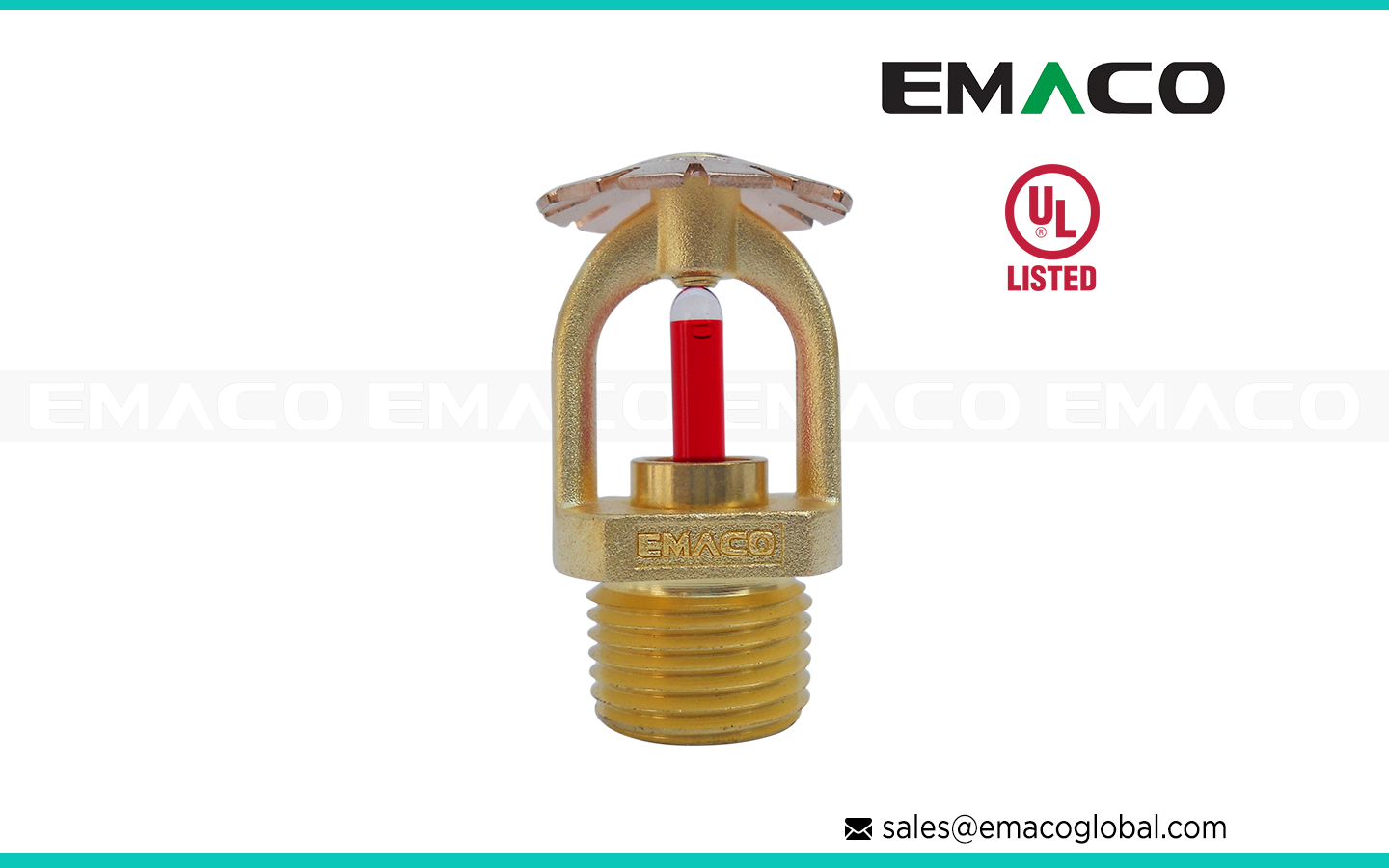
The Pre-action Sprinkler System is a highly reliable fire protection system designed for facilities where accidental water release could result in severe operational or asset damage. Unlike traditional wet sprinklers, the system keeps water out of the pipes until predefined detection conditions are met—significantly reducing the risk of leakage or false activation.
Engineered for critical infrastructure and high-value environments, the system incorporates robust valves, detection circuits, and supervisory controls to ensure fast yet controlled fire suppression. With available single-interlock and double-interlock arrangements, it can be configured to match operational needs and national fire safety standards.
Key Features:
Ideal for data centers, museums, telecommunications hubs, freezer warehouses, and archival facilities, the Pre-action Sprinkler System ensures accurate, dependable, and controlled fire suppression while minimizing water-related risks.
The Pre-action Sprinkler System is an advanced fire suppression solution designed for facilities where water exposure must be tightly controlled. Unlike standard wet, dry, or deluge systems, this configuration requires both fire detection activation and sprinkler head operation before water is released, offering a significantly enhanced level of protection.
These systems are especially vital in locations where smoke or heat detection must confirm an incident before allowing water into the piping network. Whether used in server rooms, clean rooms, or sensitive storage spaces, the system ensures that accidental discharge, pipe failure, or false alarms do not lead to unnecessary water damage.
Each system is meticulously engineered for reliability, easy maintenance, rapid activation, and long-term operational stability. Multiple interlock configurations allow adaptability to different levels of risk, environmental conditions, and code requirements.
1. Detection Before Activation
The system integrates with smoke or heat detectors that must first confirm a fire condition. This signal unlocks the valve mechanism but does not yet release water.
2. Valve Operation
Once detection is confirmed, the pre-action valve opens, filling the piping network with water. Actual discharge occurs only when individual sprinkler heads activate due to heat.
3. Dual-Safety Interlock (Optional)
In double interlock systems, both detection activation and sprinkler head opening are required before water enters the piping—ideal for ultra-sensitive environments.
4. Air or Nitrogen Monitoring
The pipes are maintained under air or nitrogen pressure. A drop in pressure indicates leakage or accidental damage, allowing early detection of pipe issues without water loss.
5. Controlled Water Delivery
Once fully activated, the system behaves like a wet sprinkler system, delivering water reliably and with stable flow characteristics for effective suppression.
Data Centers & Server Rooms
Provides enhanced protection for expensive electronic equipment, ensuring no accidental water discharge occurs during normal operation.
Museums, Archives & Libraries
Safeguards irreplaceable documents, artworks, and artifacts where water damage could be catastrophic.
Telecommunication Facilities
Protects high-value switching equipment and communication hubs requiring continuous operation.
Freezer Warehouses & Cold Storage
Pre-action systems prevent pipe freezing complications and accidental discharge in low-temperature environments.
Industrial Process Control Rooms
Ensures precise fire protection where sensitive machinery or chemical processes demand strict water-use control.
Clean Rooms & Research Facilities
Maintains environmental integrity while providing dependable suppression for specialty laboratories and manufacturing zones.
Periodic Inspection
Check for proper valve seating, detector operation, and stable air/nitrogen pressure. Inspect trim components and releasing panel readiness.
Detection System Testing
Regularly validate smoke/heat detectors and supervisory circuits to ensure proper activation logic.
Hydrostatic & Functional Testing
Perform annual waterflow and valve operation tests to confirm full system responsiveness under emergency conditions.
Air/Nitrogen Pressure Check
Verify correct pressure levels in the piping to detect leaks early and maintain optimal standby readiness.
Electrical & Panel Maintenance
Inspect wiring, solenoids, and releasing controls to ensure they are fully operational and compliant with fire safety codes.
Enhanced Water Damage Prevention
The dual-verification design ensures that no water is released unless both detection and sprinkler activation occur.
Reliable System Performance
Engineered for mission-critical applications that demand flawless operation even after long periods of inactivity.
Flexible Configuration Options
Available in single or double interlock setups, with multiple actuation choices to suit any fire protection strategy.
Strong and Durable Construction
UL-listed valves, corrosion-resistant trims, and heavy-duty components ensure long service life in demanding environments.
Ease of Operation & Maintenance
Accessible trim design, clear supervisory signals, and user-friendly control panels simplify routine servicing and emergency operation.
With proper maintenance, the Pre-action Sprinkler System offers a service life exceeding 15 years. Because the pipes stay dry until activation, corrosion is significantly reduced, extending the lifespan of valves, switches, and overall piping networks. The robust control trim, high-quality materials, and supervised detection circuits ensure dependable performance even in harsh or temperature-controlled environments.
Explore complete product specifications, compliance details, and installation information.
1. What distinguishes the Pre-action Sprinkler System from other fire suppression systems?
This system offers an additional layer of safety by requiring fire detection before permitting water into the pipes. Unlike wet systems, it prevents accidental discharge; unlike dry systems, it provides more controlled and deliberate activation. These characteristics make it ideal for areas with valuable or sensitive equipment.
2. How is the system maintained in water-sensitive or controlled environments?
Maintenance includes regular testing of detection devices, verifying panel signals, checking pipe air pressure, and testing the pre-action valve. Because the system remains dry until triggered, internal corrosion is less likely, but pressure and electrical checks are essential for proper operation.
3. Can the system be customized for specific facility requirements?
Yes. The Pre-action Sprinkler System can be configured as single or double interlock, with options for electric, dry pilot, or combined actuation methods. Pipe sizes, end connections, and control panels can be tailored to meet building codes, risk levels, and operational needs.
4. What safety mechanisms prevent accidental activation or water leakage?
The system includes supervised air pressure monitoring, electrically controlled solenoid valves, and precision-machined seals to prevent leaks. In double interlock configurations, water cannot enter the pipes unless both the detection system and a sprinkler head activate, ensuring maximum protection.
5. What is the expected service life of the Pre-action Sprinkler System?
With regular inspections and adherence to maintenance schedules, the system can remain fully operational for more than 15 years. Only minor internal components—such as gaskets, detectors, or seals—may need replacement over time. Proper environmental control and air pressure monitoring can significantly extend lifespan.
Protect your home, family, and business with industry-leading fire safety solutions—because seconds matter. From advanced smoke detectors to professional-grade extinguishers and smart alert systems, we’ve got you covered.


Please fill up the form